The story of the wind phone
A disconnected telephone in a garden by the sea, where words are carried on the wind.
A phone connected to nowhere
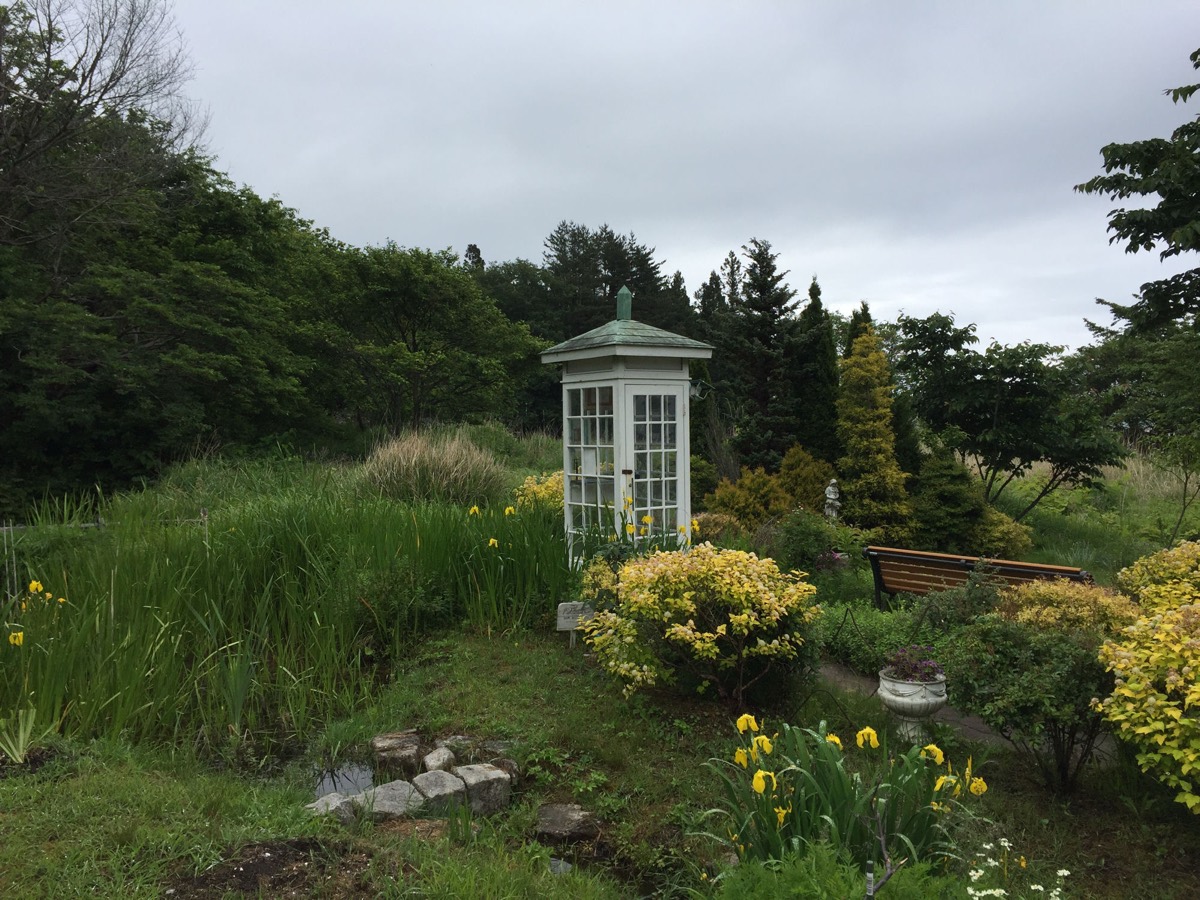
In December 2010, a garden designer named Itaru Sasaki placed an old rotary telephone inside a white, glass-paned booth in his hillside garden in Ōtsuchi, Japan. The phone was connected to nothing. He had lost his cousin to cancer, and he needed somewhere to keep talking to him.
"Because my thoughts couldn't be relayed over a regular phone line, I wanted them to be carried on the wind."
He called it kaze no denwa – the wind phone.
After the wave
Three months later, the 2011 Tōhoku earthquake and tsunami struck the coast. More than 15,000 people died; in Ōtsuchi alone, around 1,400 residents – nearly one in ten – were lost. Sasaki opened his garden to anyone who needed it.
People came to pick up the receiver and speak into the silence – to parents, children, husbands, wives, friends. Some said everything they never got to say. Some just said hello. Since then, more than 30,000 people have made the journey to the phone booth on the hill.
Why this app exists
Not everyone can reach a hillside in Ōtsuchi. I made this Wind Phone in memory of my mom, Dhana – a small digital echo of Sasaki's garden: a quiet place to say what's unsaid, to someone you've lost, someone far away, or someone you can't speak to any other way.
If you're grieving – missing your mom or dad, a grandparent, a partner, a friend, a child – you can pick up this phone wherever you are, say their name, and talk to them.
Like the original, the line is connected to nothing. No one hears you. Nothing is recorded. The wind on screen moves with your voice, and when you hang up, your words are gone – carried off, the way Sasaki intended.
Others have come here too.
Sources · Wikipedia – Wind phone